
The 5-Minute Rule: Why Fast Responses Close More Sales

Many business owners believe they lose sales because they need better marketing. But in reality, many businesses lose opportunities for a much simpler reason: they respond too late.
Today’s customers expect speed. When someone fills out a form, sends a message, or requests information, they are already comparing options. And in many cases, the first business to respond becomes the first business they trust.
This is where the 5-minute rule becomes critical.
The idea is simple: the faster you respond to a potential customer, the higher your chances of turning that conversation into a sale.
The problem is that many growing businesses still manage follow-ups manually. Messages get buried between calls, emails, WhatsApp conversations, and daily operations. And while the business owner is busy trying to handle everything, valuable opportunities quietly disappear.
Fast responses are no longer just good customer service. They are now part of your sales strategy.
The hidden cost of responding too late
Most business owners underestimate how quickly customer attention disappears.
A potential client may contact your business while also reaching out to several competitors at the same time. If your response arrives hours later — or worse, the next day — there is a high probability that the customer has already moved on.
The problem is not always the quality of your service. Sometimes the problem is simply timing.
Many businesses lose sales because:
- follow-ups are forgotten;
- messages are answered too late;
- estimates take too long to send;
- customer information is scattered across multiple apps;
- responses depend entirely on the owner’s availability.
As businesses grow, this problem becomes even more dangerous. More leads create more conversations, and without organized systems, follow-up quickly becomes chaotic.
Slow response times silently reduce conversion rates every single day.
Why speed creates instant trust
Customers associate speed with professionalism.
When a business responds quickly, customers feel:
- valued;
- prioritized;
- supported;
- and more confident moving forward.
A fast response creates momentum. It keeps the conversation active while the customer is still emotionally engaged and ready to make a decision.
The opposite is also true.
When responses take too long, uncertainty appears. Customers begin questioning reliability, communication, and overall service quality before they even make a purchase.
This is why many successful businesses focus heavily on response time optimization.
The goal is not simply to answer faster. The goal is to create a smoother customer experience from the very first interaction.
Most businesses lose sales during follow-up
Many companies invest heavily in advertising, social media, and lead generation campaigns. But very few invest the same energy into organizing their follow-up systems.
This creates a common problem: businesses generate attention but fail to manage it efficiently.
Without structured follow-up:
- opportunities slip through the cracks;
- conversations become disorganized;
- reminders are forgotten;
- and potential customers lose interest.
The reality is simple: marketing generates opportunities, but follow-up closes sales.
Businesses that consistently grow usually have one thing in common — they respond quickly and follow up consistently.
That level of organization becomes difficult when everything depends on memory, manual work, or scattered communication channels.
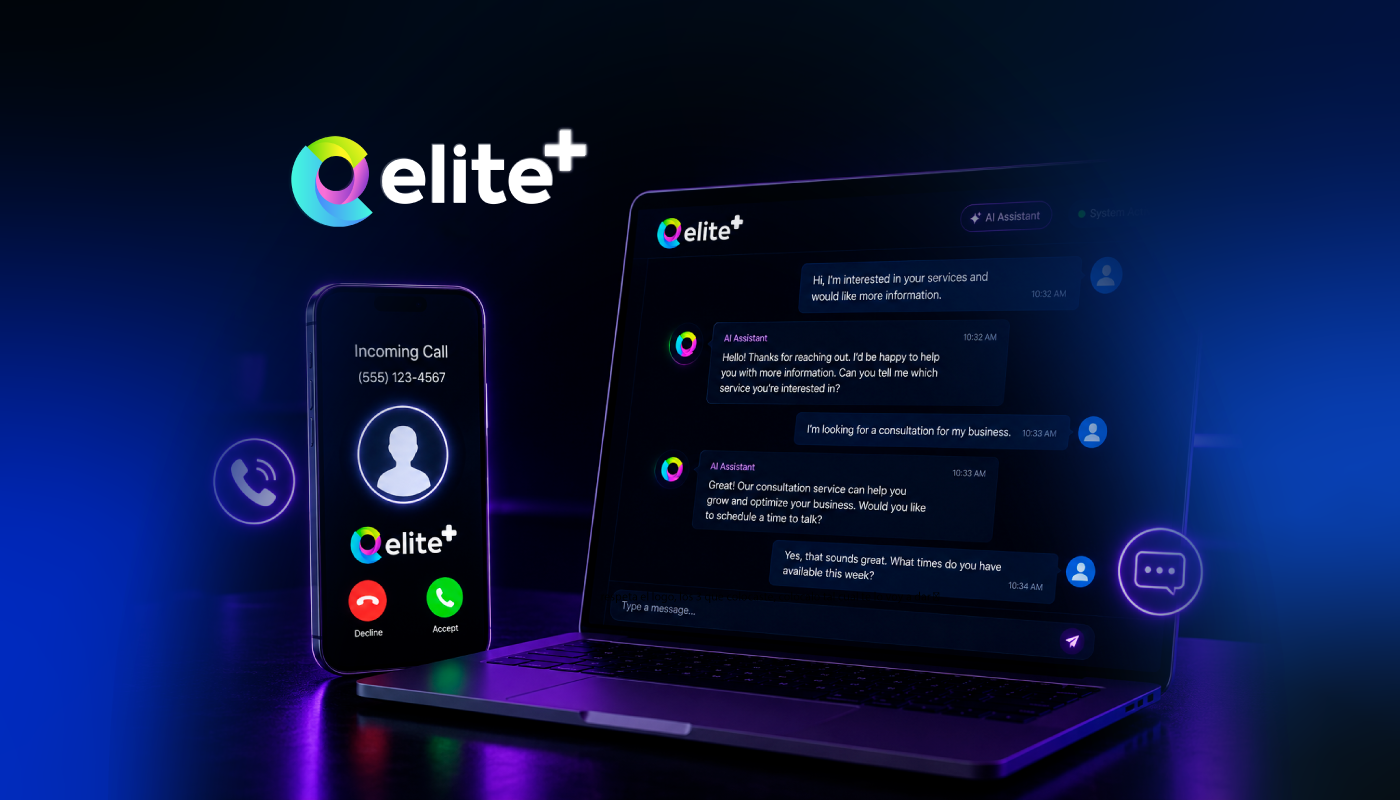
How automation helps businesses respond faster
Many business owners think automation removes the personal touch from customer relationships. In reality, good automation improves communication and creates more consistency.
Automated systems help businesses:
- send instant replies to new leads;
- organize customer conversations;
- schedule follow-up reminders;
- centralize calls, emails, and messages;
- track sales opportunities;
- and reduce response delays.
This allows business owners and teams to operate with more clarity and less operational stress.
At Elite Online Media, we understand that businesses do not necessarily need more work. They need better systems.
That is why platforms like Elite Plus help businesses centralize operations, automate follow-ups, and improve response times without making operations more complicated.
Because in today’s market, speed matters.
Frequently asked questions from business owners
“Does responding faster really increase sales?”
In many cases, yes. Faster response times help businesses engage leads while interest is still high and reduce the chances of customers moving to competitors.
“Can automation make responses feel impersonal?”
Not when implemented correctly. Automation helps organize communication and improve speed, while human interaction remains essential for building relationships.
“What types of businesses benefit from faster follow-up?”
Almost every service-based business can benefit, especially businesses that depend on consultations, appointments, estimates, or customer inquiries.
“Do I need a large company to use CRM automation?”
No. Many small businesses begin by automating simple processes such as reminders, lead tracking, and customer follow-ups.
Final reflection: the fastest business often wins
Many business owners believe growth depends only on better marketing, bigger budgets, or more visibility.
But sometimes, growth depends on something much simpler: responding before your competitors do.
If your business is generating leads but struggling to convert them consistently, the problem may not be your marketing. The problem may be your follow-up process.
Understanding the 5-minute rule can help your business create faster communication, better organization, and more consistent customer experiences.
Because customers rarely remember who answered eventually.
They remember who answered first.